The alloy
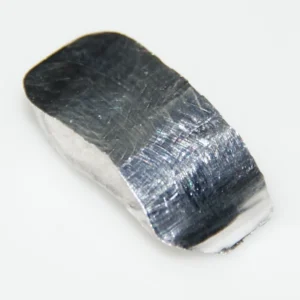
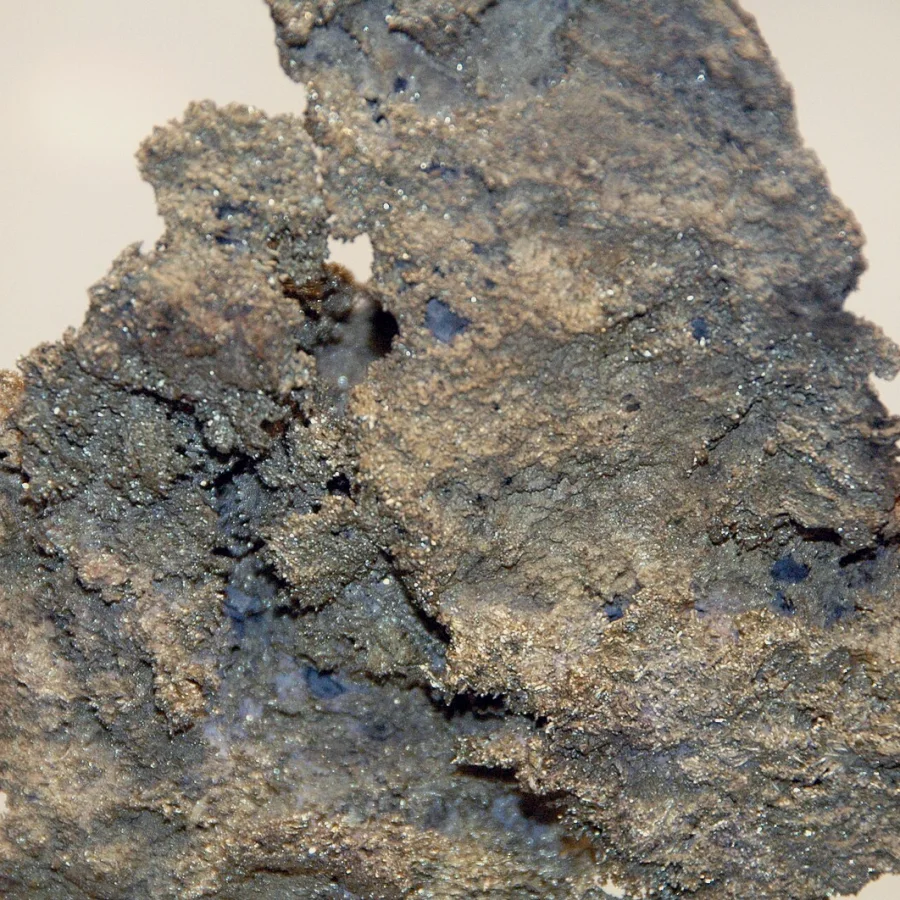
Electrum is a natural alloy of gold and silver, usually with traces of copper and other metals. It is paler than pure gold, and the more silver it holds the whiter it looks. The name comes from the Greek elektron, a word the Greeks also used for amber because of the similar colour.
The first known coins were struck from electrum in Lydia, in what is now western Turkey, around 600 BC. The ancient Egyptians valued it too, and are recorded as capping obelisks with it so that they caught the first light of the sun.
In colloidal form
A colloid is a liquid carrying particles between roughly 1 and 1,000 nanometres across. A nanometre is a billionth of a metre. Particles that small do not sink, yet they are large enough to scatter light, which is why a beam shone through a colloid shows up as a visible line.
Details
Placeholder: list exactly which metals this product contains and in what proportions, with the volume, concentration, how it is made and directions from your own label.
Specifications
- CompositionGold, silver, copper, platinum, palladium, zinc and bismuth, with gold nanostars making up roughly 30–40%
- Purity99.99% pure source metals
- Concentration30–50 ppm
- Particle sizeAbout 5–30 nm
- StabiliserCitrate
- Made byInfrared fibre-laser ablation in distilled water
- AppearanceDusty rose; may vary from batch to batch; may have a slight metallic taste
- CheckedEvery bottle is checked with a laser beam before dispatch
- Bottle500 ml, reusable laboratory-grade glass reagent bottle
- StorageKeep away from direct light and heat. No refrigeration needed.
Composition and specifications only. XSKOOL makes no health or medical claims for this product.